
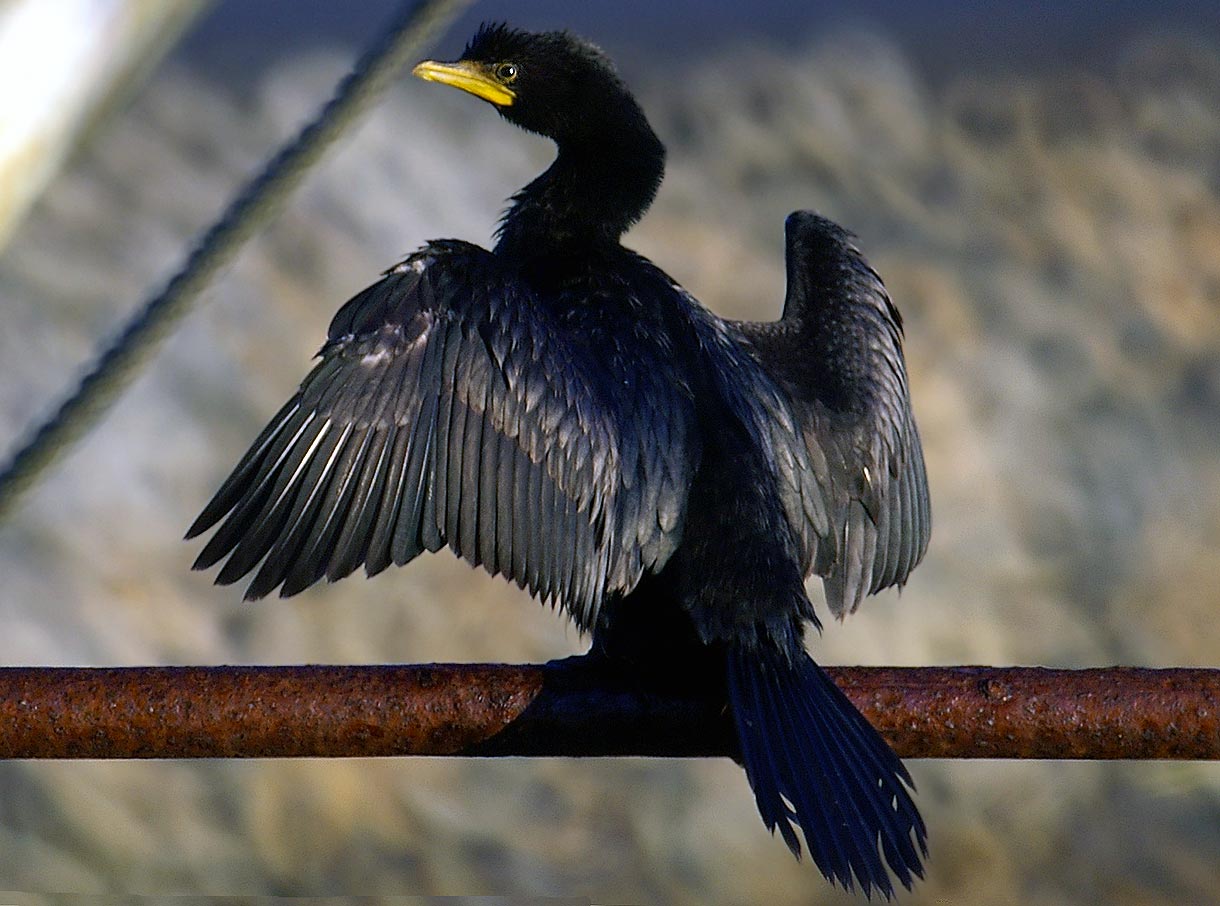
Always Time for a Shag at ARRC Wildlife Trust
Always Time for a Shag at ARRC Wildlife Trust
Video https://www.youtube.com/watch?v=AcAj9K8cv-I
Shags are native residents of New Zealand most frequently seen near water often spreading their wings and basking in the sunshine. There are 36 species of Shag in the world, 12 are found in New Zealand, and 8 of them are endemic here.
ARRC commonly attends to shags with leg and wing injuries or occasionally poisoning and these birds are hardy and usually successfully rehabilitated. Shags are real characters and quickly get used to being fed and cared for during rehabilitation. They have very sharp beaks though and can inflict serious injuries so they need to be handled with care.
Unfortunately, ARRC often has to provide medical care for these beautiful birds when they have fishing line wrapped around their wings, occasionally with heavy sinkers attached and hooks that are either embedded in their flesh or have been swallowed. Some of these birds have been in this condition for at least a few days and are in a poor way.
Fishing tackle can easily cause severe injury to our native wildlife (and our pets as well) and sadly many of these birds suffer terribly and need to be euthanased. There are a few however that we anesthetise, remove the fishing tackle, treat their wounds and eventually release them back into the wild.
Here’s what you can do to help prevent injury to our seabirds and pets with fishing tackle:
- When fishing, look after your fishing gear making sure it is not left unattended
- Dispose of unwanted fishing tackle responsibly
- If you see a bird with fishing line attached, it will most likely need to be caught and attended to. For guidelines on how to do this have a look at arrc.org.nz or give DOC or ARRC a ring on 579 9115.
For a shag that needs care:
- Approach it quietly and calmly ensuring that you do not endanger yourself or the bird in the process.
- Use a towel or sheet to cover the bird’s head and enclose their wings to prevent flapping (this also helps with seabirds to limit damage to their waterproofed feathers).
- Gently, but firmly pick them up holding their wings against their bodies. With shags, herons, gannets and gulls be very wary of their powerful beaks which have an incredible reach. Keep handling to a minimum to help reduce stress.
- Place the bird in a box that doesn’t allow for too much movement and has holes in for ventilation. Line the bottom of the box with an old towel and give ARRC a call to determine the next best step.
Read more about Shags that we treat at ARRC in “le”, one of our 10 books that is part of the ARRC Kids Adventure Series to educate children about man’s impact on our natural heritage and what they can do to help http://www.arrc.org.nz/education/