
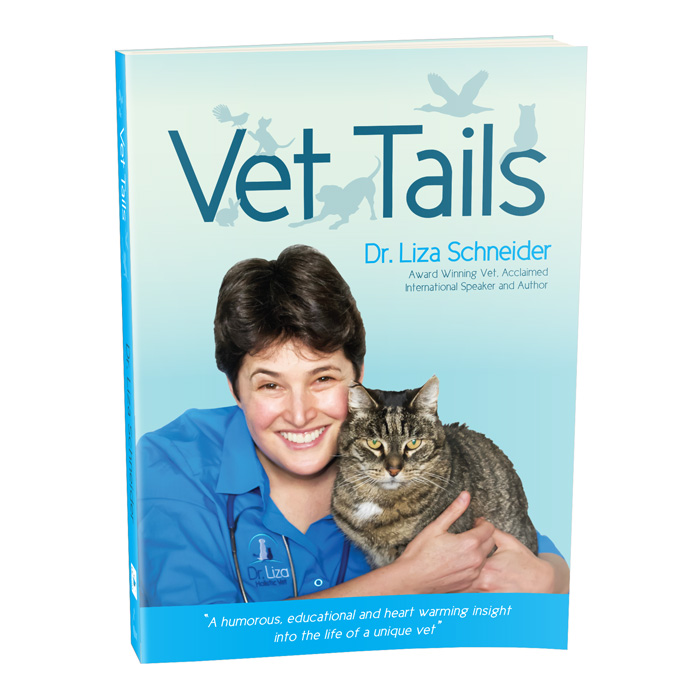
Dr Liza’s Vet Tales Excerpt – Humble Beginnings with some Horse!
Dr Liza’s Vet Tales Excerpt – Humble Beginnings with some Horse!
Yogi had led me to Pete who was passionate about sharing this amazing treatment of hyperbaric oxygen therapy not only with people but animals too. Pete and I began to work together educating vets about its potential use in veterinary practice with the vision of having purpose-built chambers for animals readily available in New Zealand but it would be a costly exercise.
At the time, Pete’s facility also hosted training for athletes called “Simulated Altitude Training” or “Interval Hypoxic Training” (IHT) designed to help enhance athletic performance. With my athletic background sparking my interest, my mind began putting together the opportunity… we needed money to make HBOT available to animals, IHT enhances athletic performance and what would happen if we could use it to make race horses perform better? I predicted that an affirmative answer to this question would help to fund things nicely.
Altitude training is used by a number of elite athletes with the principle being that if they spend time living and training at altitude where there is slightly less oxygen available in the air then their body adapts by becoming more efficient with the use of oxygen. This means that when they return to sea level, their body is so much more efficient at using oxygen to produce energy that there is an improvement in performance of 3 – 8%, improved recovery and increased energy levels.
Instead of going to live or train at altitude, IHT brought the benefits of altitude training to the athlete. With IHT, people would sit at a table with a gas mask and breathe an air mix that had a lower concentration of oxygen. This would be for an hour a day, five days a week for three weeks and the effects would last for a few months. Pete’s team were already getting some great results with their athletes and so we began to strategise how we could apply the human training to equine athletes.
The first time that we applied IHT to a horse, we didn’t know what to expect, as to the best of our knowledge this hadn’t been done on horses before, and we started the process very cautiously, carefully monitoring all that we could. We used a pulsoximeter to measure the oxygen saturation of the horses’ blood and I carefully monitored other parameters like their heart and breathing rate as well as general demeanour. One horse who we were putting through the course was called “Show me the Dollars” and he was a young thoroughbred who would stamp his feet and shake his head non-cooperatively as much as possible making things a lot more challenging for us.
We were half way into his first session when suddenly he stopped his performance of headshaking and foot stamping, stood dead still and began to sway on his hind legs. I looked worriedly at Rob, who was with me helping with the technical equipment. Rob returned my worried look and then much to our great relief “Show me the Dollars” had a great big pee and then was back to his normal self, stomping his feet and shaking his head. Our humble beginnings!
To read more about my adventures, read Vet Tales available as a book or e-book from https://www.drliza.co.nz/shop/