
Video: Six Top Tips For Selecting Pet Foods
https://www.youtube.com/watch?v=cIjOkU1nlQs
We all want our pets to be fit and healthy, to perform to their optimal potential and to have an excellent quality of life. Good nutrition is fundamentally important to help your animal to stay healthy as it provides the basic building blocks that their body needs to function at its best.
When a diet is poor and then changed to include wholesome, well balanced foods, animals (and humans!) show a remarkable improvement in their condition, their working performance is enhanced and often, chronic ongoing health problems begin to resolve.
Many years ago, our modern processed diets began to replace the healthy meals that we used to eat. Because our pets used to eat our table scraps, their diets became imbalanced and vets used to see frequent cases of nutritional deficiency diseases such as rickets.
Commercial foods were created and balanced these components helping to make up for these severe deficiencies. Subsequently nutritional deficiency diseases are no longer common place.
However, many commercial foods do not have optimal amounts of valuable essential fats, vitamins and anti-oxidants that are tremendously important for a healthy skin and coat, flexible and smooth joints and a fully functional immune system. In addition to this, some of these foods contain poor quality ingredients and often high amounts of chemical preservatives which may be detrimental to the long-term health and performance of your pet.
As is the trend in human medicine, presently our pets are faced more frequently with a set of dis-eases called degenerative diseases. These include conditions such as allergies, arthritis, heart disease, cancers and auto-immune dis-ease. What we feed our pets plays a great role in the development and management of these conditions.
Like us, animals benefit greatly from a well-balanced diet that is wholesome, natural and unprocessed. These foods are easily digested and used by their bodies and have high amounts of important vitamins, antioxidants as well as essential fatty acids. They are also easy to prepare.
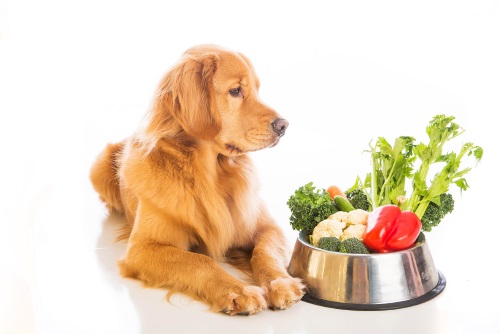
Dogs, being facultative carnivores, naturally eat both plants and animals. Whilst cats on the other hand are carnivores and require predominantly meat, however vegetables and fruit are important too as they would eat these out in the wild as part of their prey’s gut content. An ideal diet includes raw meat (with 1/5 being organ meats such as liver and kidneys), raw bones, vegetables, fruit and some grains.
Raw bones are very important to provide important minerals (especially calcium) and vitamins as well as keep teeth clean. Never feed bones cooked as they may splinter and become stuck. For dogs who tend to gulp down their food it is recommended that the bones be either too big for them to swallow (only chewed) or that they be crushed up in the food. Raw chicken necks are a safe option.
Parasites such as hydatids are killed after freezing raw meat for 3 days at –20 degrees Celsius or at -10°C for 7 days. It is illegal to feed raw offal to dogs otherwise. Hydatids can be avoided altogether by feeding chicken, which doesn’t harbor hydatids.
Nature knows best and feeding our pets with food that their bodies have evolved to eat over thousands of years will help to ensure that we are rewarded by our loyal friends living long and happy lives.